Swedish American Historical Society of Wisconsin announced, in the 2020 annual meeting, a project to establish a State of Wisconsin Historical Marker to commemorate Gustaf Unonius, New Upsala and the Scandinavian Parish. The purpose of this historical marker is to recognize the pioneers and missionaries that in the early 1840’s laid the grounds for the immigration of Swedes to Wisconsin. In 2012 Census there were 150 thousand Wisconsin residents who claimed Swedish ancestry.
After much research and documentation, the application was submitted in July of 2022. After several discussions with Wisconsin Historical Society and resolving suggested modifications in the text, the final approval was received in May 2023 and the marker was placed on order and was delivered it at the end of December 2023. The Historical Marker was dedicated and unveiled at a ceremony on June 1, 2024, at St. Anskar’s Episcopal Church in Hartland.
This is The Story
Gustaf Unonius accompanied by his wife Lotten, Christine Sodergren who had been a maid at Lotten’s family, Iwar Hagberg, a student from Upsala, Carl Groth, a relative of Unonius, and Wilhelm Polman, a medical student, who they met on the ship going overseas, arrived in October of 1841. With the help from other early settlers in surrounding areas the first cabin was built. One of the helpers was Friman, who had arrived 3 years earlier (the first Swedish settler in Wisconsin).
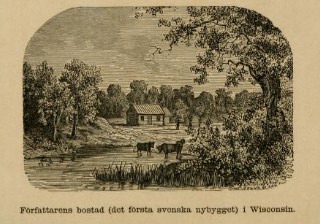
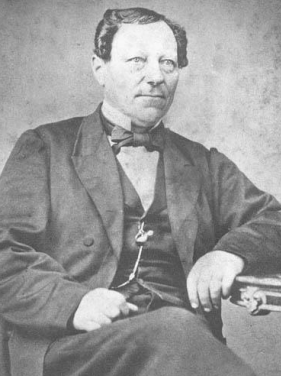
The First Swedish colony in Wisconsin, New Upsala, was established during the following two years, including the following individuals, some with their families. (reference Pine Lake, William Stark)
- George Edward Bergwall, a Customs Inspector from Gothenberg
- Baron Fredrik Thott, Officer of the Swedish Army
- Bengt Petterson, a Regimental Paymaster in the Swedish Army
- Knut Bottiger, a Lieutenant in the Swedish Army
- Carl Fredrick Polycarpus von Schneidau, Nobleman, Lieutenant of the Swedish Artillery
- A.F. von Proschwitz, Lieutenant from the Varmland Regiment
- Lars and Anders Wohlin, Blacksmiths
- John O. Rudberg, Surveyor and Forrester
- Charles Balkman, Sailor
- Adolf Fredrik St. Cyr von Lindsfelt, exchamberlain of the Swedish Court
Gustaf Unonius held religious devotions at his cabin for his family and neighbors. In 1842 he met James Lloyd Breck, an Episcopal Missionary, who later would establish the Nashotah Episcopal Seminary. In 1844, Unonius was accepted as a student at the Seminary, and in the fall of 1845, he was ordained an Episcopal minister, the first graduate of the seminary.
In January of 1844 Bishop Jack Kemper visited New Upsala and in March the same year the Holy Innocents cemetery was consecrated for the Scandinavian community, and the Pine Lake Scandinavian Parish was established. Gustaf Unonius was ordained as its first pastor. A few years later a small church was built on the cemetery grounds.
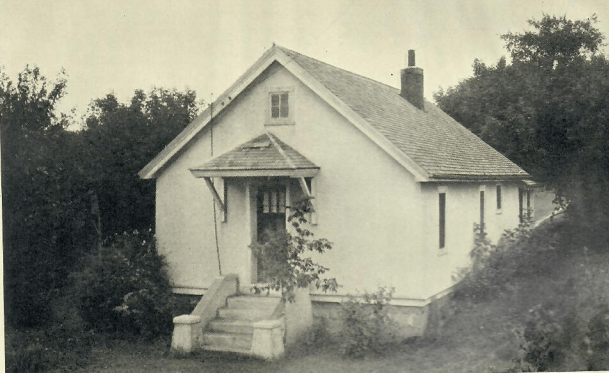
In 1847 many Norwegian members of the Pine Lake Parish left to organize the Norwegian Lutheran congregation, St. John’s Lutheran church in Johnson’s Mill, currently Stone Bank. The other part of the Pine lake Parish remained at the original log church. In 1864 the church became known as the Holy Innocents Episcopal Church. In 1962, Holy Innocents merged with Grace Holy Innocents Episcopal Church in Hartland, and in 1975 the name was changed to St. Anskar’s Episcopal Church.
Link to Wisconsin Historical Marker project pdf
Gustaf Unonius memoirs
After returning to Sweden in 1858 Unonius wrote and released a book in1862 titled “Minnen fran en sjuttonarig vistelse in Nordvestra Amerika” (Memories from a 17 year journey in Northwest America). This book was translated to English titled “A Pioneer in Northwest America, 1841 – 1858” and is available in two volumes, publisher Swedish Pioneer Historical Society; University of Minnesota Press, and made available on the internet digitized from North Park University in Chicago. The first volume deals with Unonius travel from Sweden to Wisconsin, his founding of the colony, and finally his departure to Chicago. The second volume focus more on his activities as an episcopal minister.
Volume 1: A Pioneer in Northwest America, 1841 – 1858: the Memoires of Gustaf Unonius
Volume 2: A Pioneer in Northwest America, 1841 – 1858: the Memoirs of Gustaf Unonius
New Upsala publications
“New Upsala, The first Swedish settlement in Wisconsin”, by Filip A. Forsbeck, M.D. published in 1936 in Milwaukee by The State of Wisconsin Historical Society focus on the historical value pertaining to the first Swedish colony in Wisconsin including a lot of information from the first volume of the Unonius memoirs. (only 200 copies of this book were printed, a copy may be available on Amazon.com). Here is the introduction of the book….
The “Pine Lake” by William Stark book was published in 1984 and is the story of the Pine Lake settlements, first by Gustaf Unonius New Upsala, the Swedes and the Norwegians side by side with the Potawatomi Indians, later taken over by the Germans and the Swiss, describing the evolution of this area to more modern times. In the first section of the book Stark makes numerous references to the Unonius memoirs.
Unonius life and travels from Sweden to USA was summarized by SAHSWI Vice President John Elliott in a society meeting in 2018. Link to the presentation: The first Swedish Settlement in Wisconsin.
List of references
- 1862 Gustaf Unonius releases “Minnen fran en sjuttonarig vistelse I Nordvestra Amerika” Upsala, Sweden. (In 1950-60 the book was translated to English as A Pioneer in Northwest America, 1841 – 1858 and is available in two volumes from the Swedish Pioneer Historical Society and the University of Minnesota Press.)
- 1853 Fredricka Bremer: The Homes of the New World, Impressions of America. See especially the chapter on “A Day among the Swedes at Pine Lake.”
- 1924 Mabel V. Hansen: “The Swedish Settlement at Pine Lake.” The Wisconsin Magazine of History, Wisconsin Historical Society.
- 1936 Filip A. Forsbeck, M.D.: New Upsala, The First Swedish Settlement in Wisconsin, Milwaukee.
- 1952 William F. Stark : “Pine Lake Saga”, 1971 “Pine Lake”, 1984 “Pine Lake,” Zimmerman Press, Sheboygan, Wisconsin.
- 1967 Nils William Olsson: Swedish Passenger Arrivals in New York 1820 – 1850, The Swedish Pioneer Historical Society, Chicago, Illinois.
- 2002 Fredrick Hale: Swedes in Wisconsin, Wisconsin Historical Society Press.
- 2006 Thomas L Holzen, Ph. D.: St. Paul’s Church, From the Mission at Nashotah to Its Founding.
- 2009 Roger Johnson and Clayton Swanton: The Early Years of St. Olaf’s Church, 1841 – 1860.
- 2018 John Elliott presentation, The first Swedish settlement in Wisconsin.
- 2021 Martha Bergland: The Birdman of Koshkonong, The Life of Naturalist Thure Kumlien, Wisconsin Historical Society Press.
- Church articles and documents.
- Newspaper articles.
- Letters and diaries Gustaf Elias Marius
Current points of interests impacted by Gustaf Unonius, the New Upsala Swedish Colony and the Pine Lake Scandinavian Parish
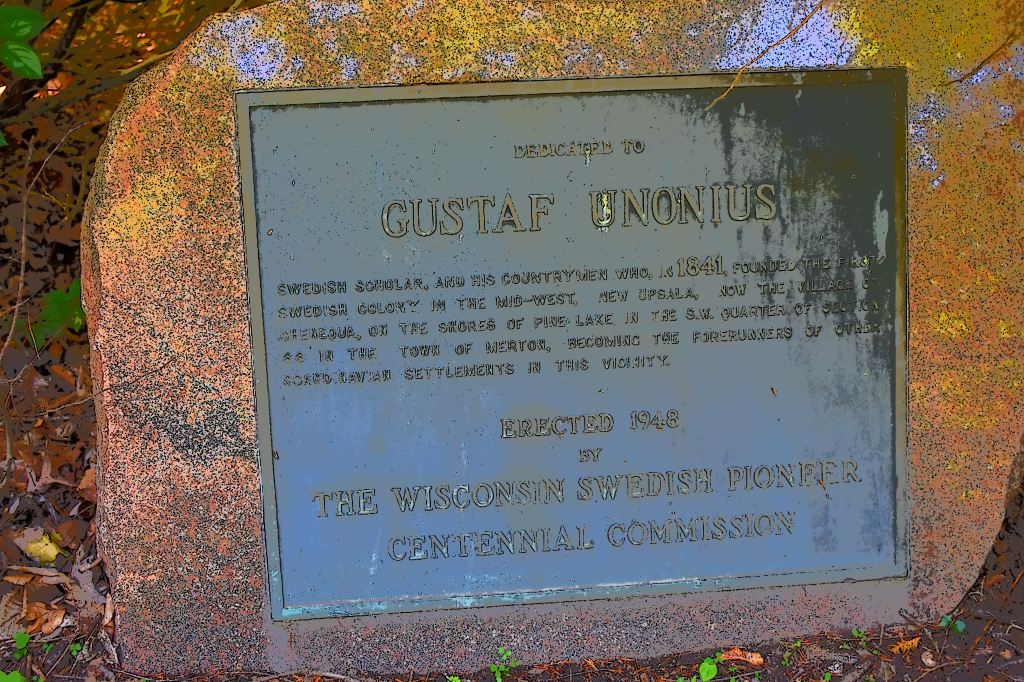
- Unonius and New Upsala historical marker erected in1948 by Wisconsin Swedish Pioneer Centennial Commission which was a set up by The Swedish Pioneer Historical Society, today Swedish American Historical society, headquartered in Chicago. The marker is located at Chenequa Village Hall property at the intersection of Highway 83 and Waukesha County Road K. It was moved from its original location across the street from the Village Hall. See link.
2. Holy Innocents Cemetary located east of Highway C, Kettle Moraine Scenic Drive, at Ivy Meadows, 2 miles south of Stone Bank.
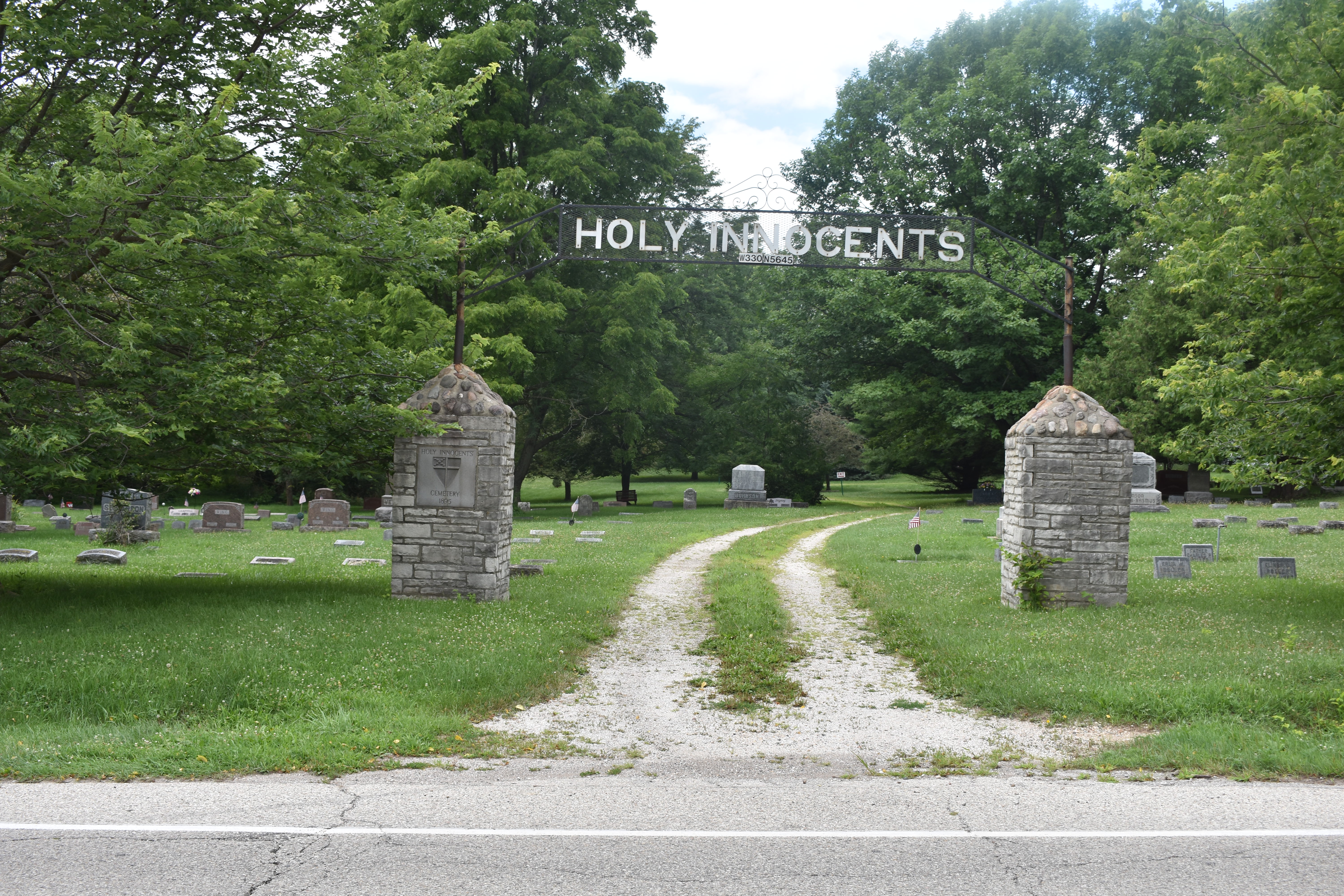
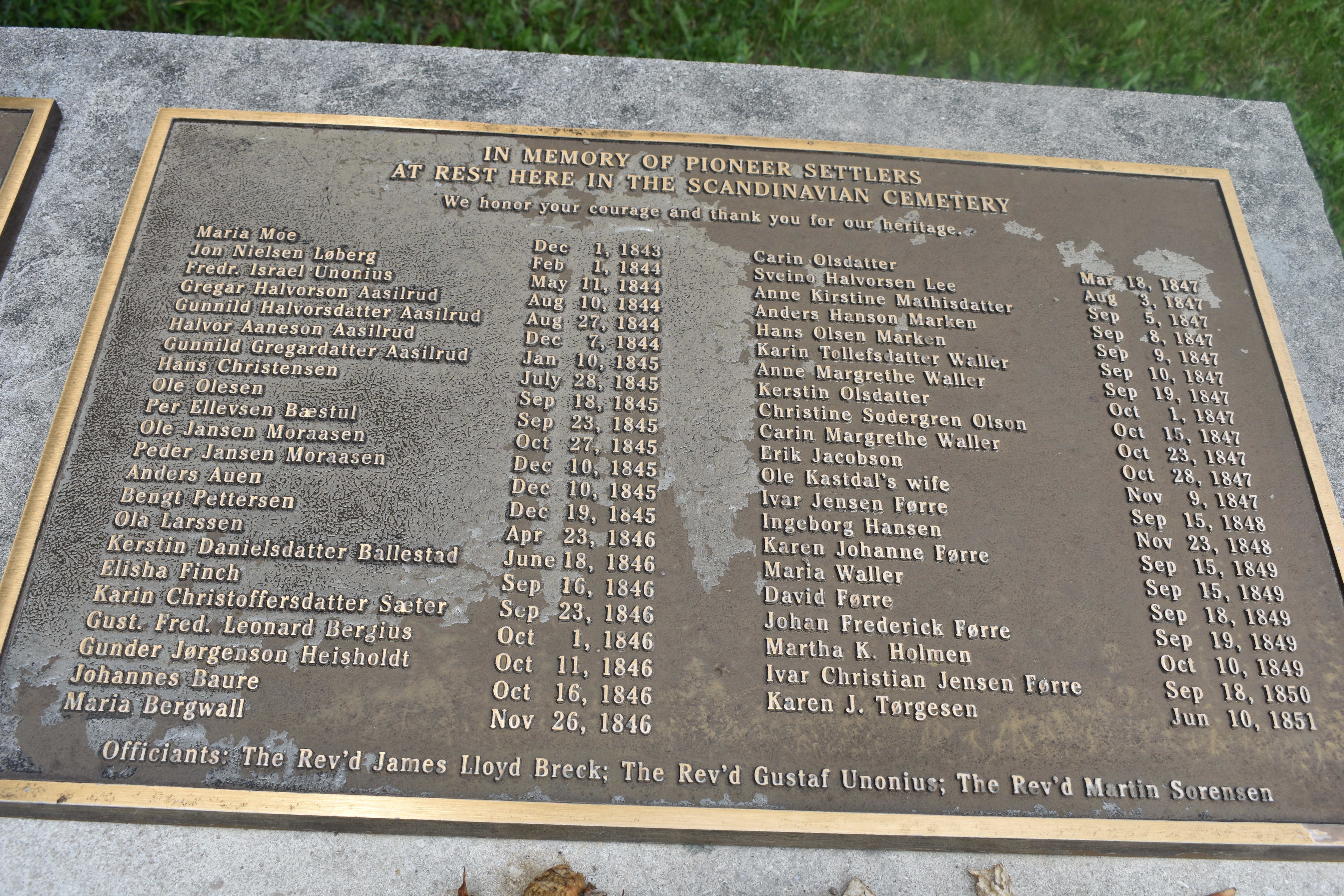
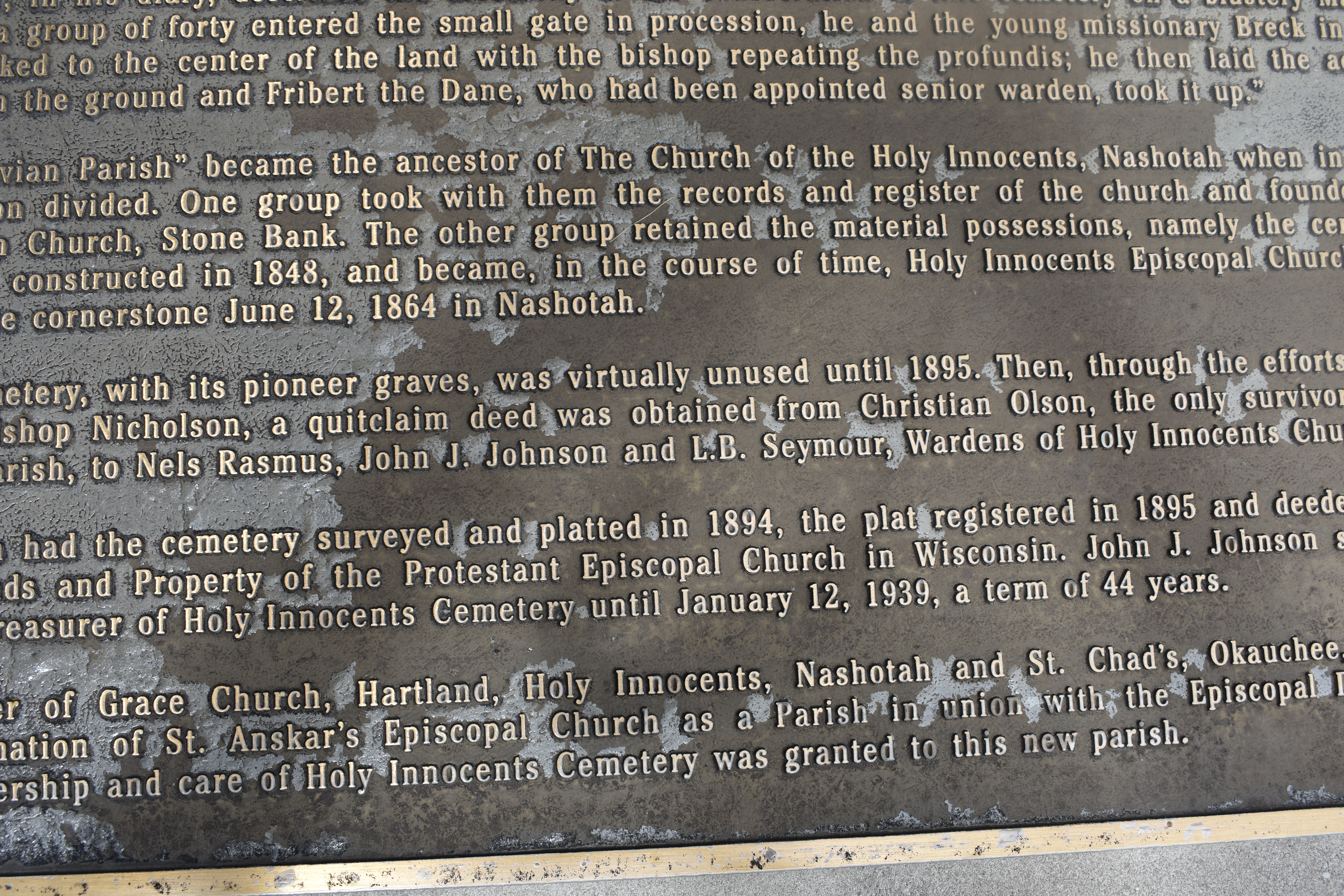
3. Nashotah House Theological Seminary, 2777 Mission Rd, Nashotah, WI, by Upper Nashotah Lake
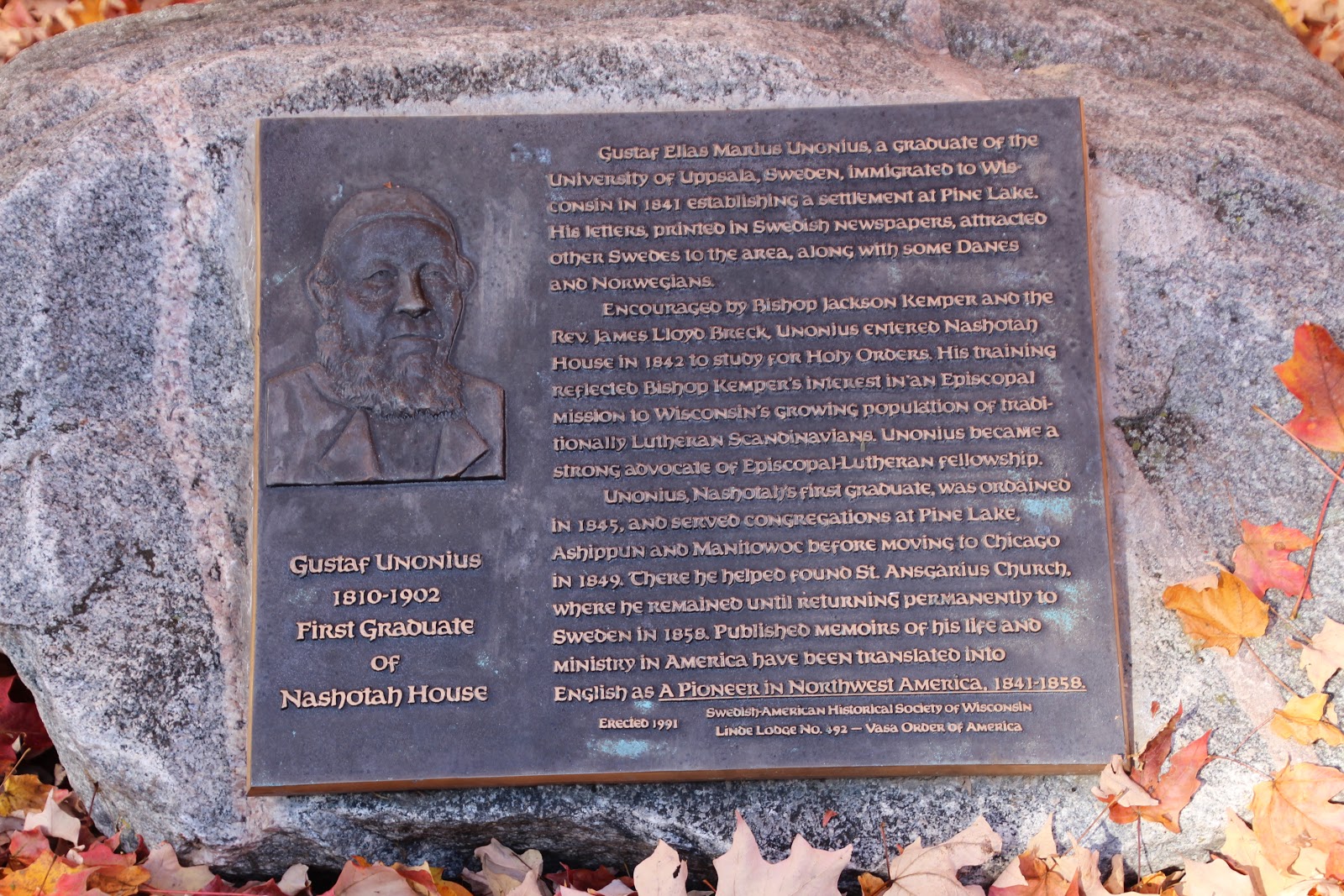
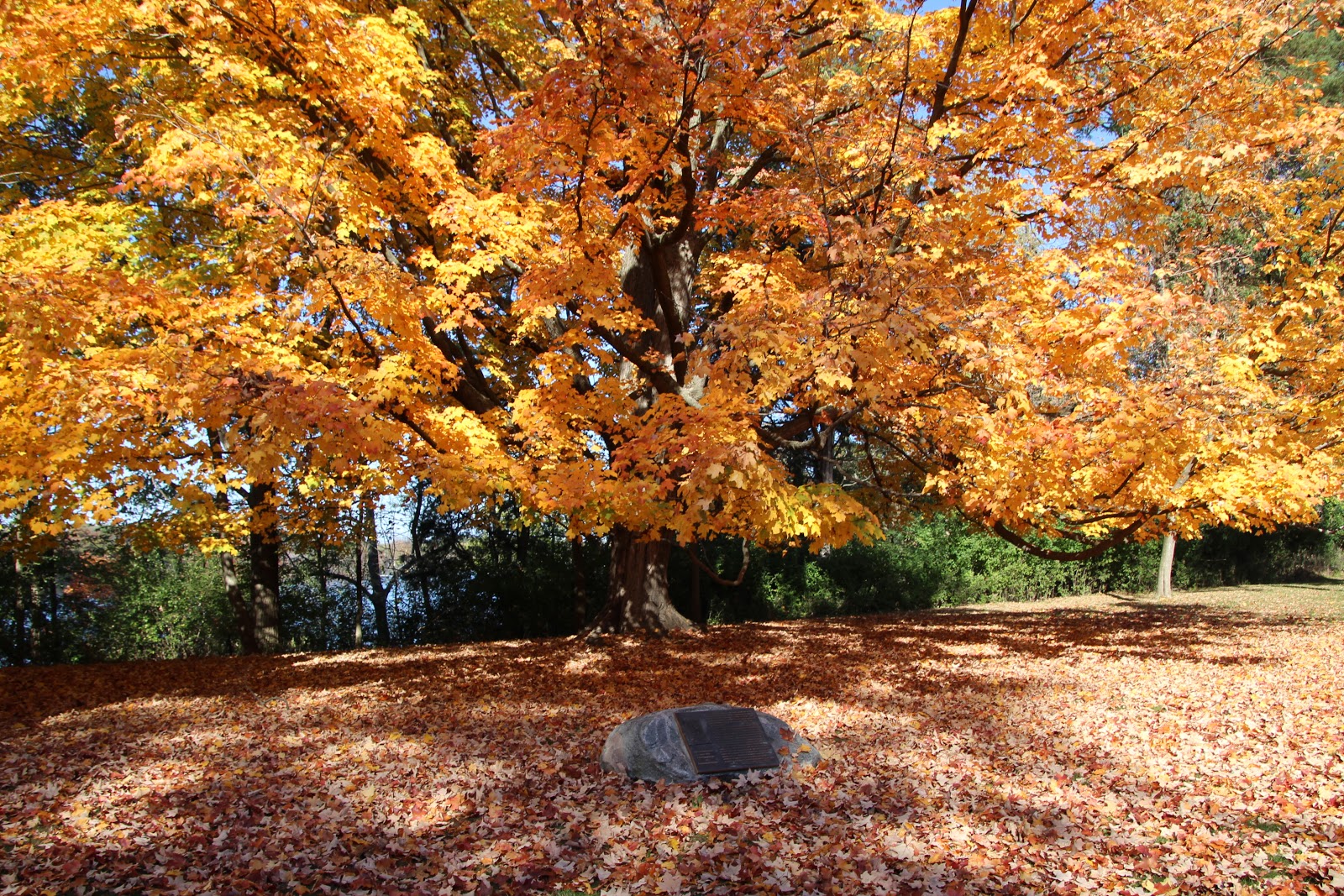
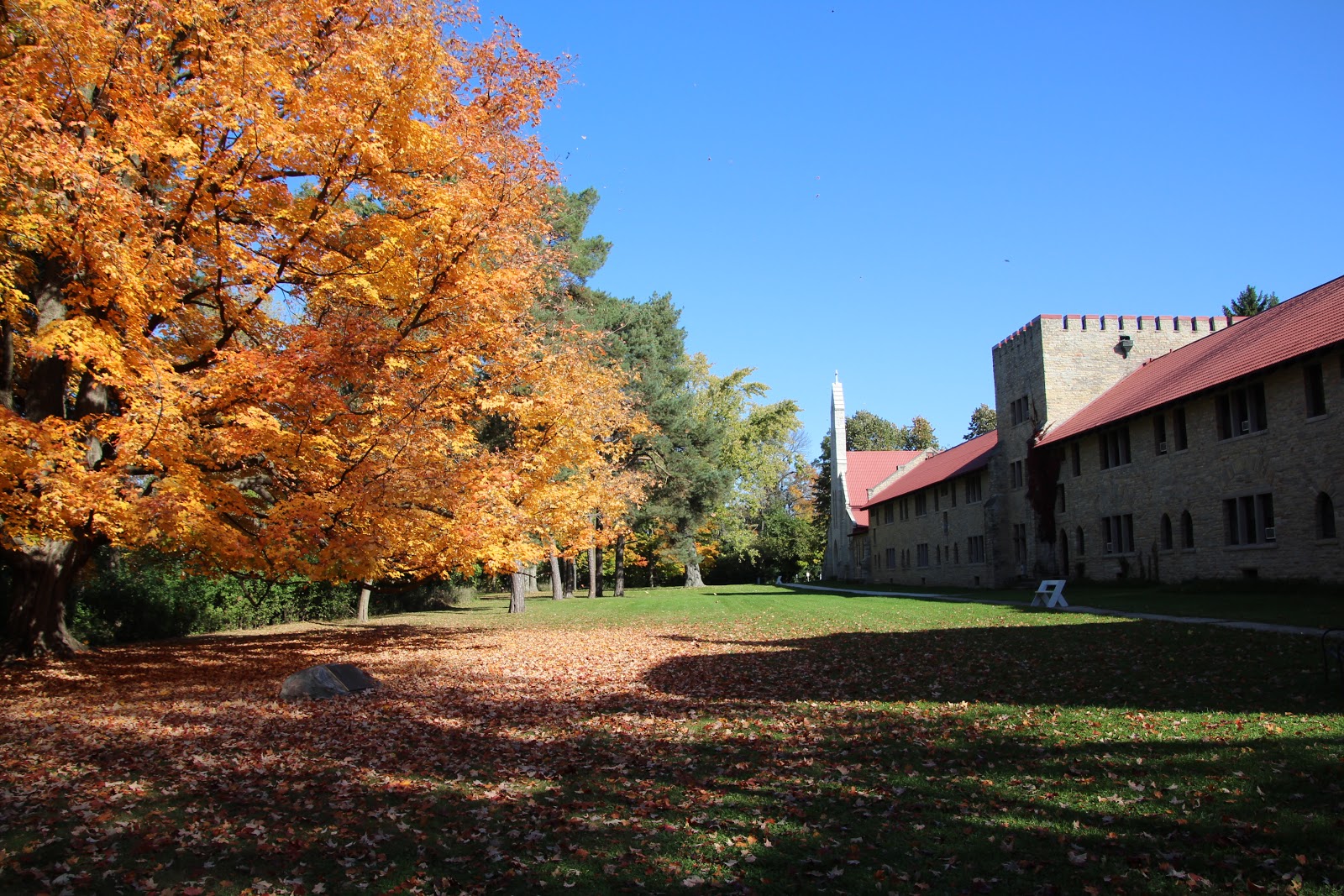
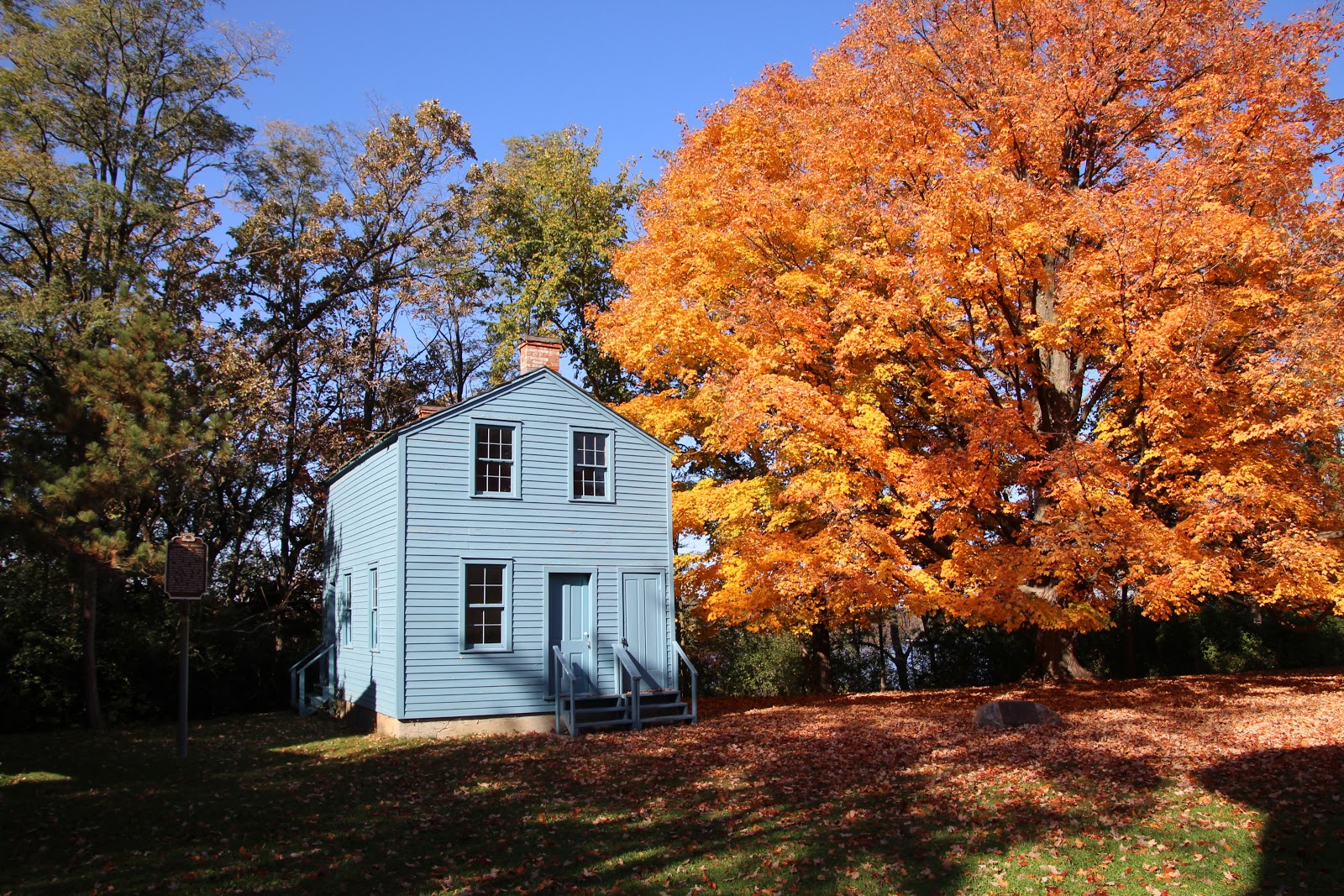
4. St. Anskar’s Episcopal Church, N48W31340 State Road 83, in Hartland east of State Road 83, just north of Highway 16 intersection

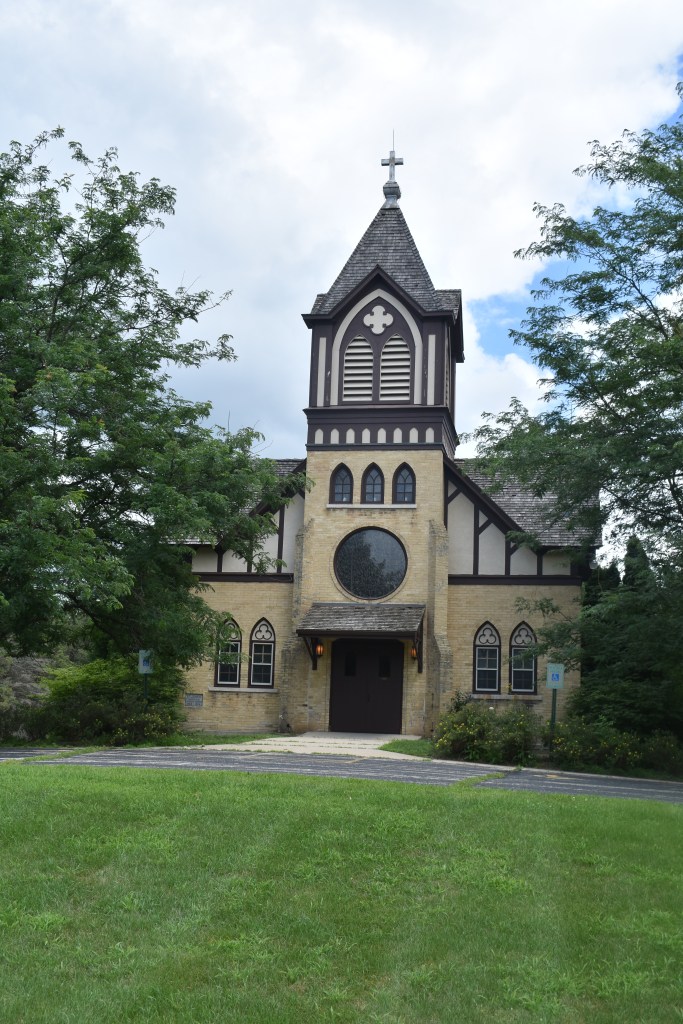
5. Saint John’s Lutheran Church in Stone Bank, W334N6990 Stone Bank Road, Oconomowoc, WI.
Leaving New Upsala
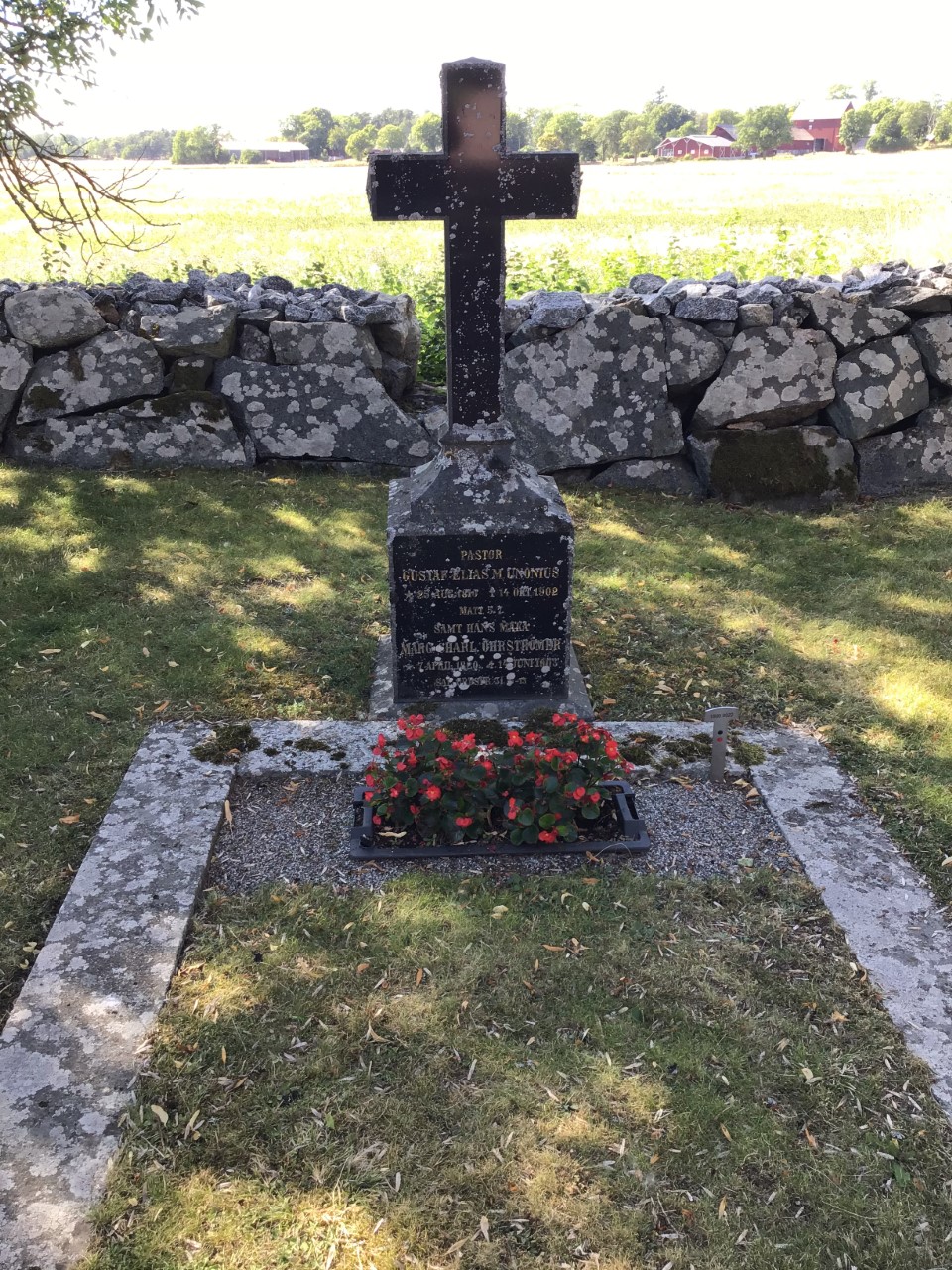
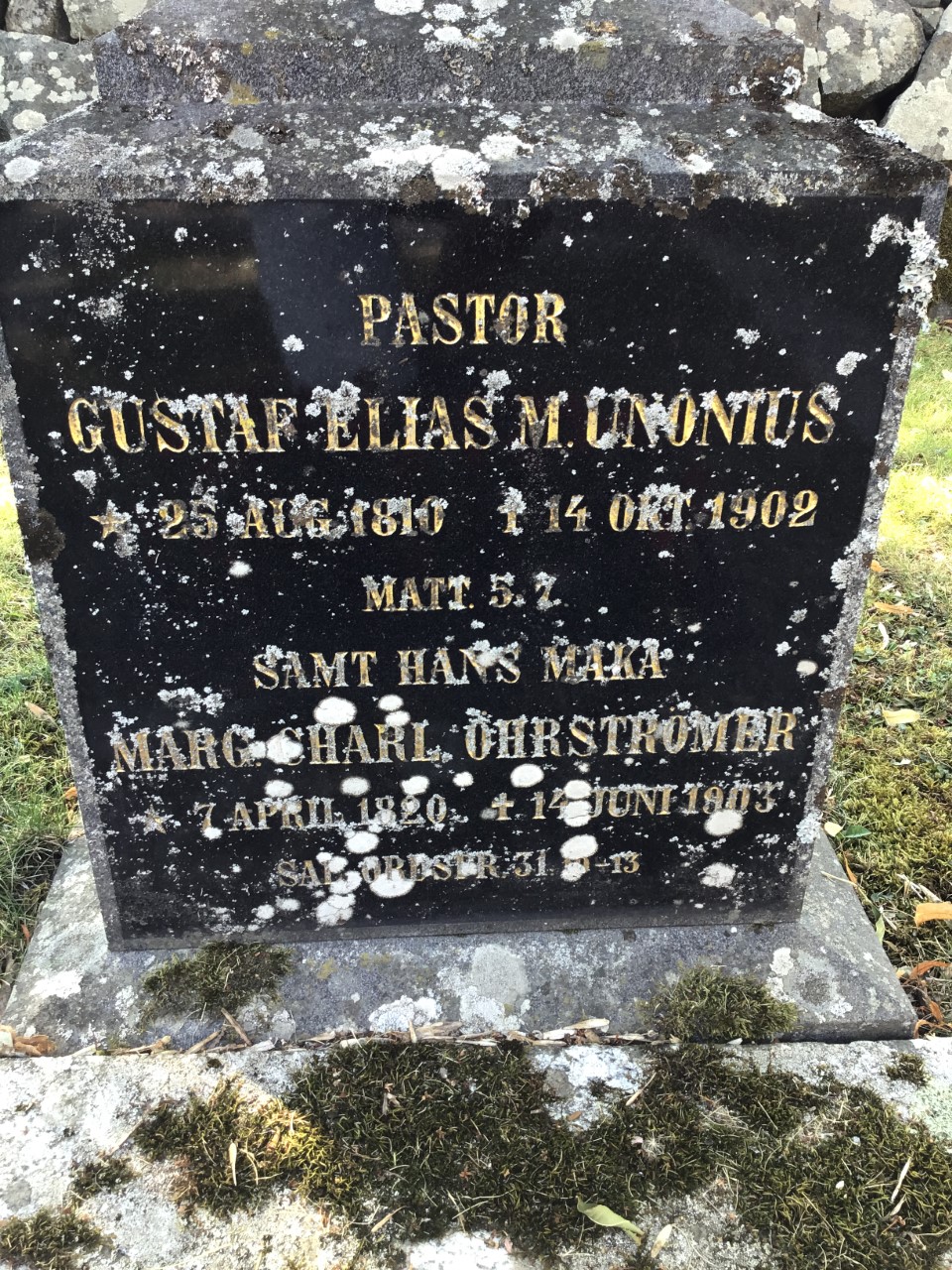
In 1847 Gustaf Unonius left New Upsala for a newly formed parish in Manitowoc, Wisconsin. However, after a very short time he was convinced by one of the New Upsala settlers, von Schneidau to move to Chicago to establish an Episcopalian church there. He remained in Chicago for about 10 years and moved back to Sweden in 1858. In 1902, at the age of 92, he passed away in Hacksta Parish, close to the city of Enkoping, Sweden.
 Swedish American Historical Society of Wisconsin